Your Look At Safe Structural Demolition In Detroit MI From Start To Finish
Interior Selective Demolition In Detroit MI
Interior selective demolition in Detroit, MI, is improving the landscape of city renewal. This approach allows for the mindful elimination of non-structural parts, protecting the personality of historical buildings. It promotes and provides economic benefits sustainability via product reuse. Several successful projects highlight its possibility. The ramifications of this strategy extend beyond simple aesthetics. Comprehending the wider effect on the community and atmosphere raises important questions for Detroit's future.
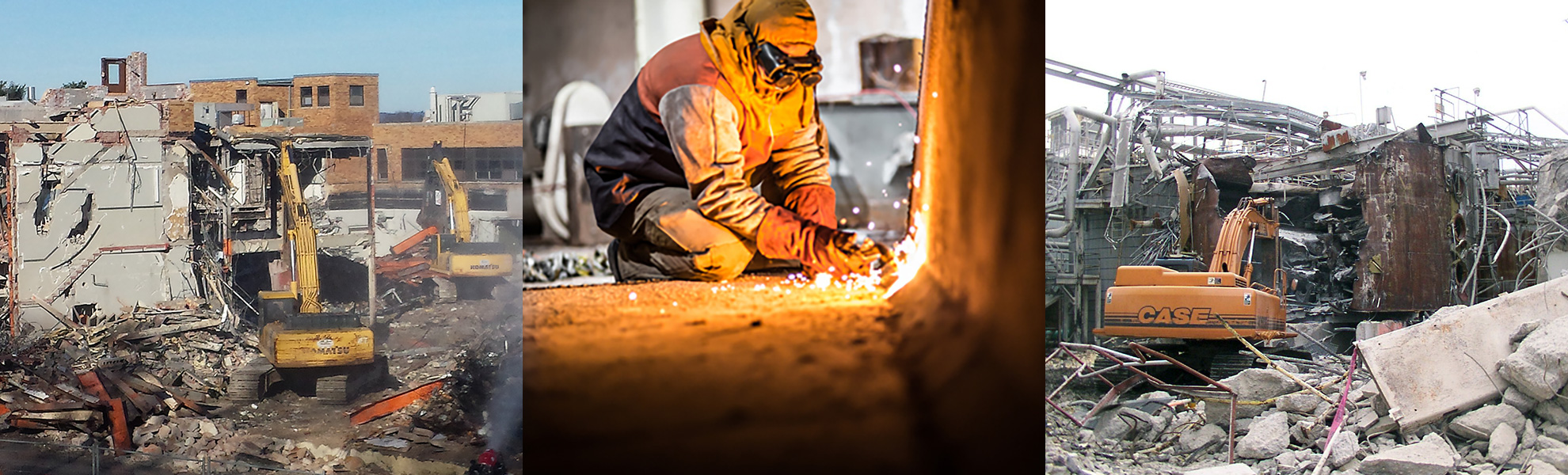
The Advantages of Interior Selective Demolition
Interior selective demolition provides numerous advantages for residential or commercial property proprietors and developers in Detroit, MI. This process permits particular elimination of non-structural elements, such as wall surfaces, components, and flooring, without endangering the integrity of the total structure. By targeting just the areas that require renovation, homeowner can conserve time and reduce expenses related to full demolition.
Furthermore, selective demolition advertises sustainability by enabling for the salvage and recycling of materials, consequently reducing waste. This environmentally conscious method straightens with the growing fad of environment-friendly building and construction practices. Selective demolition can assist in quicker project timelines, as it normally involves much less disruption to surrounding areas compared to comprehensive demolition efforts.
Eventually, the calculated application of interior selective demolition improves the effectiveness of restoration tasks, causing enhanced performance and visual appeal for existing buildings in Detroit's advancing city landscape. (legendary demolition detroit near me)
Secret Factors To Consider for Selective Demolition Projects
When planning a discerning demolition project, numerous vital factors to consider have to be resolved to ensure its success. To start with, comprehensive assessments of the existing structure are vital to determine materials that call for removal and those that should be maintained. Comprehending regulatory requirements, consisting of permits and safety codes, is essential to guarantee compliance and stay clear of lawful issues.
Establishing a detailed strategy that outlines the extent of job, timelines, and budget is important for efficient task management. Engaging seasoned professionals can mitigate threats associated with dangerous materials, such as asbestos or lead.
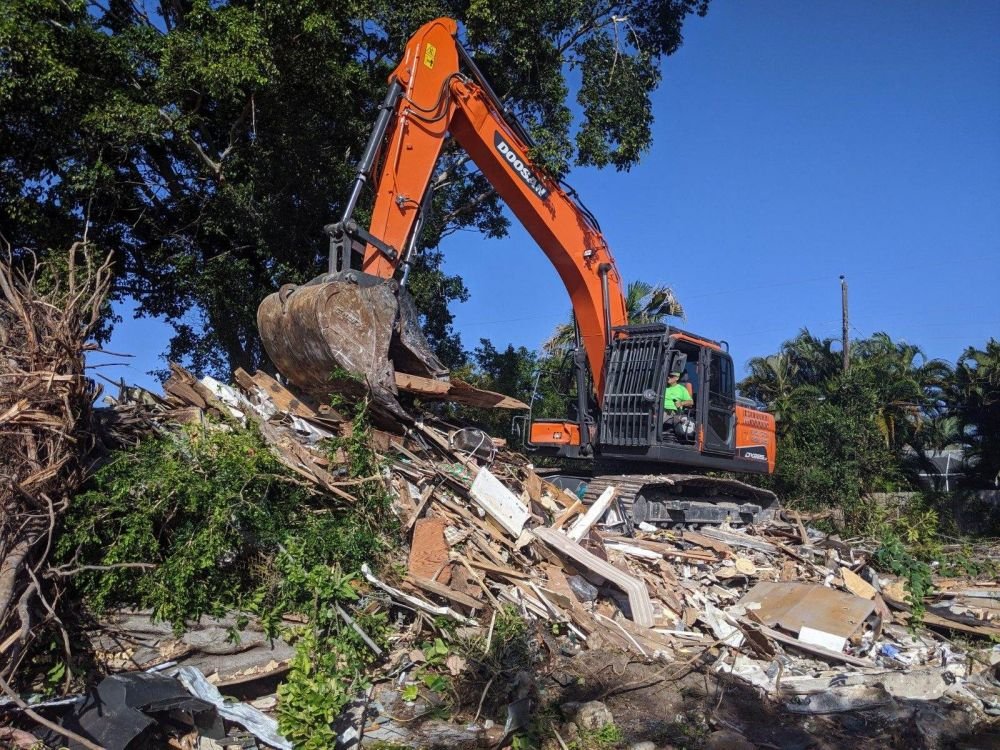
The Process of Selective Demolition Discussed
Selective demolition entails a systematic approach that prioritizes the cautious elimination of specific architectural components while protecting the integrity of the surrounding setting. The process begins with a comprehensive assessment of the website, recognizing which elements need to be eliminated and which need to be preserved. Following this assessment, an in-depth demolition plan is established, describing precaution and waste monitoring strategies.
Once the strategy is in place, the demolition team prepares the site by securing essential authorizations and ensuring that utilities are separated. The actual demolition procedure employs specialized strategies and devices to take down targeted structures, such as ceilings, wall surfaces, and fixtures, decreasing waste and noise. Throughout the procedure, careful monitoring is conducted to address any kind of unpredicted challenges. The website is cleaned up, with recyclable products sorted and dangerous waste disposed of appropriately, ensuring that the surrounding environment continues to be undisturbed and secure for future use.
Situation Studies: Effective Projects in Detroit
Effective projects in Detroit highlight the performance of selective demolition in revitalizing city areas. One significant case entailed the improvement of a former industrial website into a lively mixed-use development. Selective demolition enabled the cautious elimination of hazardous materials while maintaining structural components, enabling the combination of modern facilities with historic architecture.
An additional project featured the repurposing of an old stockroom into a neighborhood arts center. The selective technique assisted in the extraction of non-essential interiors, creating open areas suitable for imaginative ventures while keeping the building's personality.
Additionally, a residential conversion showcased how selective demolition can adapt outdated frameworks for modern living. By eliminating indoor dividings and out-of-date systems, the task rejuvenated the structure, promoting and drawing in new residents community interaction.
These examples illustrate how selective demolition not just boosts safety and security and performance but also adds to Detroit's recurring city revival efforts.
The Future of Selective Demolition in Urban Revitalization
An increasing number of city organizers and developers are acknowledging the possibility of selective demolition as a key method for revitalizing cities. This technique enables the cautious elimination of details indoor elements, allowing the preservation of historically significant structures while making room for contemporary usages. As cities like Detroit grapple with aging facilities and a requirement for lasting growth, selective demolition offers a viable option to repurpose existing structures.
The future of selective demolition exists in its integration with sustainable practices. By recycling materials and reducing waste, cities can lower their environmental footprint while fostering economic growth (demolition contractor detroit). Furthermore, this technique promotes neighborhood engagement, as local stakeholders usually take part in the decision-making anonymous procedure concerning which frameworks to preserve or customize. As city revitalization initiatives gain energy, selective demolition is likely to play an increasingly critical duty in shaping the landscapes of tomorrow's cities, blending history with advancement
Regularly Asked Inquiries
What Allows Are Needed for Interior Selective Demolition in Detroit?
A demolition authorization is commonly called for, in addition to any kind of essential ecological licenses, especially if hazardous products exist. Furthermore, compliance with regional building codes and laws is crucial for safe and legal demolition techniques.
For how long Does a Typical Selective Demolition Job Take?
An ordinary selective demolition job generally takes in between one to three weeks, depending on the job's dimension, complexity, and the level of the work required. Factors such as website conditions and allowing might likewise affect the timeline.
Are There Specific Safety And Security Rules for Selective Demolition?

What Kinds Of Products Can Be Salvaged During Demolition?
Numerous Learn More Here materials can be salvaged throughout demolition, including timber, steel, components, bricks, and concrete. Multiple-use products enhance sustainability by reducing waste, while giving chances for repurposing and recycling in brand-new construction or improvement jobs.
Just How Much Does Interior Selective Demolition Commonly Cost?
Normally, interior selective demolition prices vary from $2 to $10 per square foot, relying on elements such as imp source job complexity, material types, and neighborhood labor rates, influencing total costs for both industrial and property homes.
Interior selective demolition in Detroit, MI, is improving the landscape of urban renewal. Interior selective demolition provides many benefits for property owners and designers in Detroit, MI. When preparing a discerning demolition job, several crucial considerations should be resolved to guarantee its success. Successful jobs in Detroit highlight the efficiency of selective demolition in revitalizing metropolitan areas. An average selective demolition task usually takes between one to 3 weeks, depending on the job's dimension, intricacy, and the level of the job called for.